The race for generative AI video supremacy in 2026 has entered its definitive chapter. Novelty 4-second micro-clips with melting limbs and erratic morphing are officially history. Filmmakers and commercial studios now demand extended 30-second continuous shots, multi-point storyboard control, and rock-solid character consistency.
Following ByteDance's groundbreaking deployment of Seedance 2.5, Kuaishou's Kling AI has officially announced its next-generation flagship: Kling 4.0.
With Kling 4.0 Flash rolling out to preview testers on September 28, 2026, and the standard Kling 4.0 model launching in October, creators are asking the ultimate production question: Should you build your 2026 production workflow around Kling 4.0 or Seedance 2.5?
Below, we dissect Kling 4.0's official specifications, inspect real-world showcase media, and benchmark it directly against Seedance 2.5's studio pipeline.
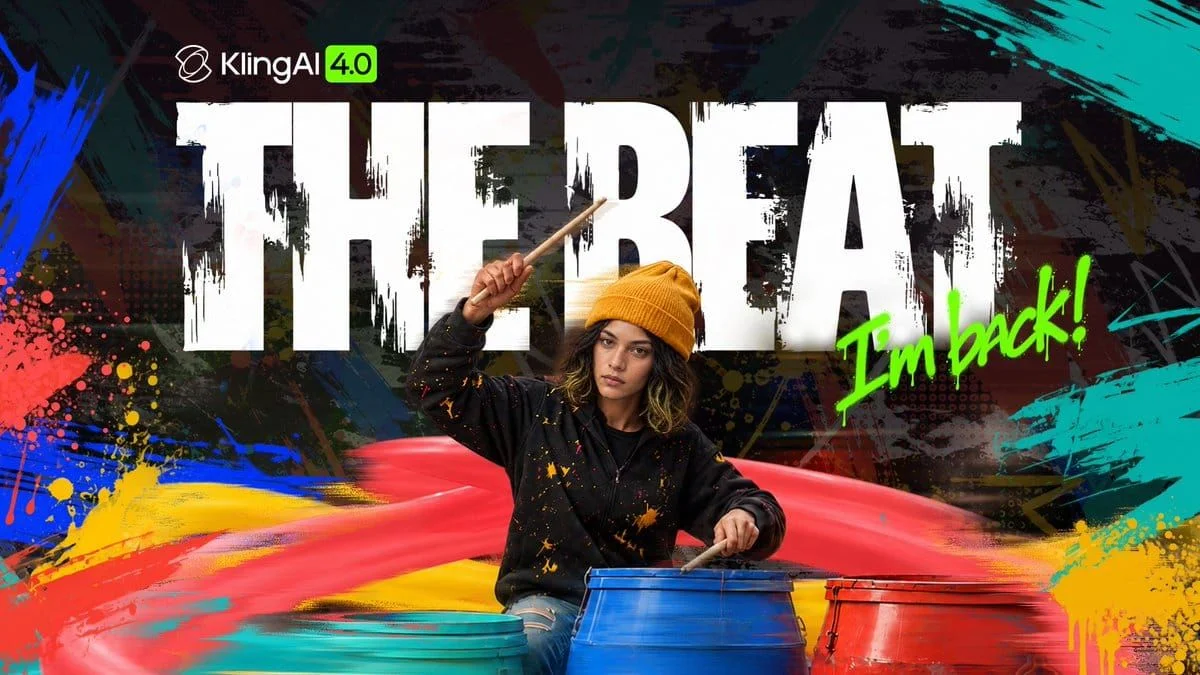
Watch: Official Kling 4.0 Showcase Reel
Check out the official Kling 4.0 demonstration showcase featuring uninterrupted motion and cinematic lighting:
Definitive Specifications: Kling 4.0 vs Seedance 2.5 vs Sora 2
The table below benchmarks the verifiable technical specifications, directing controls, multimodal capabilities, and commercial viability across the market leaders:
| Capability & Dimension | Kling 4.0 (Kuaishou) | Seedance 2.5 (ByteDance) | OpenAI Sora 2 | Runway Gen-3 Alpha Turbo |
|---|---|---|---|---|
| Max Single-Pass Duration | 30 seconds | 30 seconds (Native 1-Pass) | 10–20 seconds | 10 seconds |
| Extended Video Ceiling | Up to 2 minutes (Extension) | Seamless Timestamp Directing | Video Stitching | 10s Extensions |
| Timeline Directing Controls | 10 Keyframe Waypoints | 50 Multimodal Slots + Timestamps | Prompt-driven only | Keyframe timestamps / Motion Brush |
| Reference Asset Slots | Omni Reference (Img/Vid/Aud) | 50 inputs (30 img, 10 vid, 10 aud) | Up to 2 images | 1 image / Brush |
| Native Sound & Foley Sync | Basic / External tools | Native Acoustic Latent Synthesis | Speech-only preview | No native audio |
| Prompt Context Window | 8,000 Tokens | Comprehensive 6D Prompt Engine | ~500 words | Short text prompts |
| Max Resolution & Color | 4K / 10-bit HDR (Planned) | Native 4K Ultra-HD Output | 1080p | 1080p |
| Lightweight Turbo Model | Kling 4.0 Flash | Seedance 2.0 Fast / Mini | Sora Mini | Turbo mode |
| Production Availability | Beta waitlist / Phased preview | Live Today (Instant Studio Access) | Closed waitlist / Enterprise | Public subscription |
| Commercial Licensing | Tier-dependent | 100% Commercial on Paid Plans | Enterprise only | Standard plans |
What is Kling 4.0? 5 Breakthrough Features Explained
Kling 4.0 represents Kuaishou's most ambitious architectural upgrade to date. Moving away from isolated generations, Kling 4.0 treats video synthesis as an interactive timeline project:
1. The 30-Second Single Shot Milestone
Historically, Kling users were limited to 5-second generations with optional 5-second increments up to 15 seconds. Kling 4.0 doubles that threshold to a continuous 30 seconds in a single generation, with multi-segment concatenation enabling sequences up to 2 minutes.
2. 10-Keyframe Timeline Control
The standout innovation in Kling 4.0 is its 10-Keyframe system. Rather than relying purely on text prompts to imagine what happens at second 12 or second 24, creators can anchor specific reference frames along a 30-second timeline. The diffusion engine then computes the natural interpolation and physics between each keyframe.
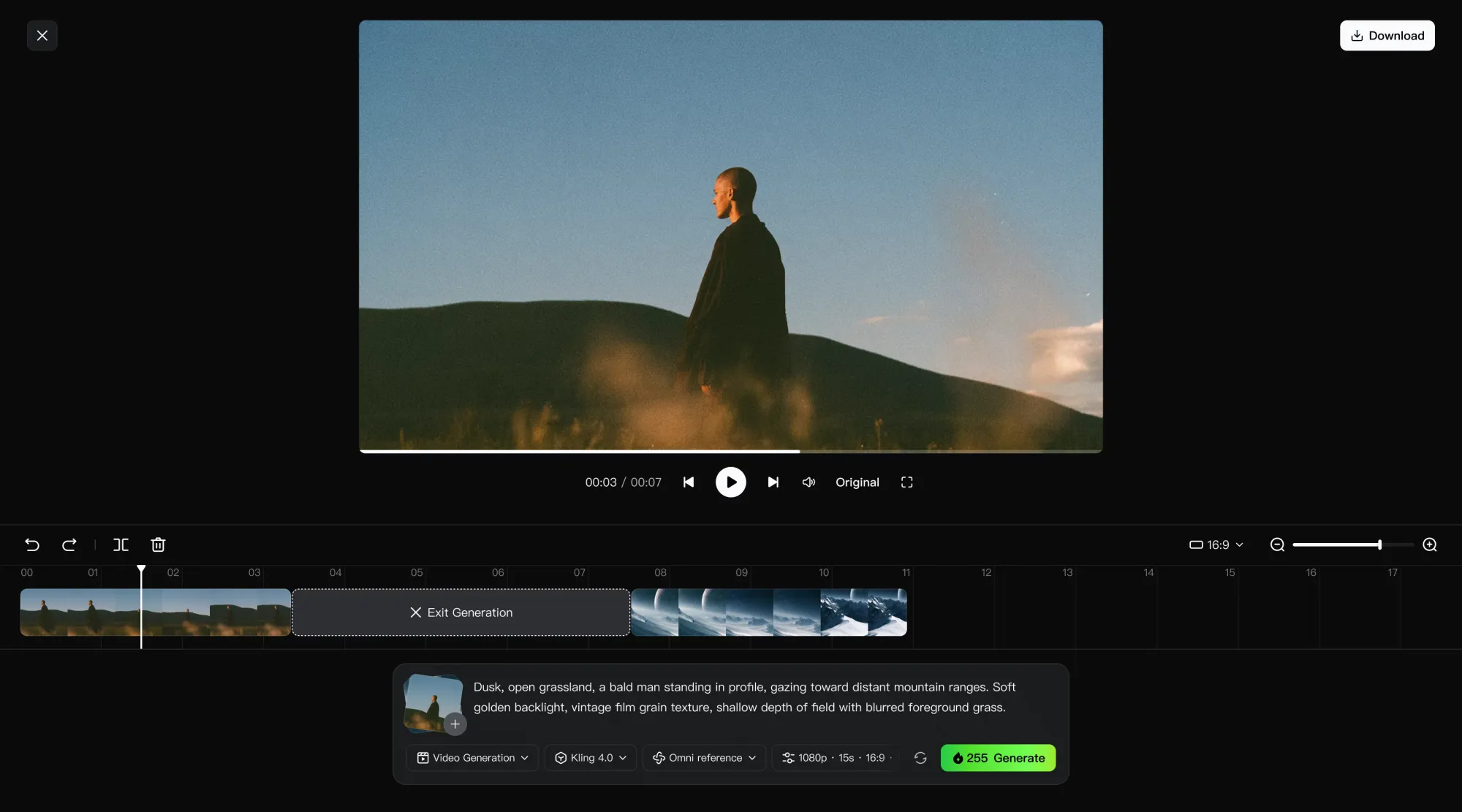
3. Omni Reference: Multimodal Asset Conditioning
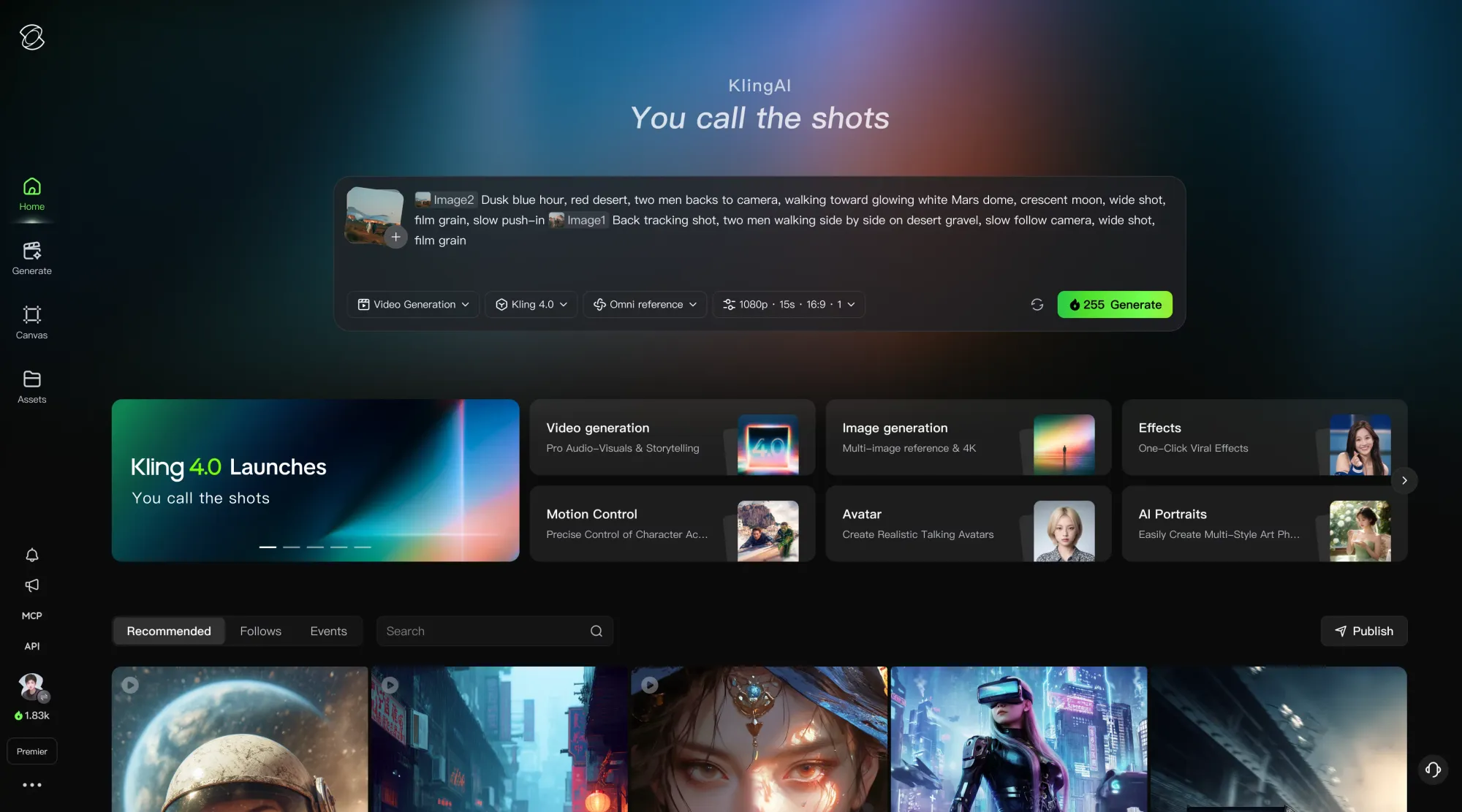
Following ByteDance's multimodal success with Seedance, Kling 4.0 introduces Omni Reference. Users can feed images, video snippets, and audio cues into the prompt pipeline to influence character appearance, lighting style, and camera trajectories simultaneously.
4. 8,000-Token Prompt Architecture
Most AI video models truncate prompts beyond 200–500 words. Kling 4.0 expands its prompt attention window to 8,000 tokens. This allows creators to paste complete scene scripts, wardrobe breakdowns, lighting cues, and beat-by-beat directorial instructions directly into the generation box.
5. Kling 4.0 vs Kling 4.0 Flash
Kuaishou is bifurcating its model line:
- Kling 4.0 Standard: Optimized for maximum fidelity, 4K resolution, and upcoming 10-bit HDR dynamic range.
- Kling 4.0 Flash: A distilled, accelerated model offering fast iterations in 720p/8-bit SDR, ideal for storyboarding and social testing.
Kling 4.0 vs Seedance 2.5: The Production Showdown
While both models champion 30-second generational capacity, their underlying philosophies solve filmmaking challenges differently:
Dimension 1: Character & Style Consistency Across Long Takes
- Kling 4.0: Relies on the user supplying or generating up to 10 keyframes. If two keyframes have slight lighting or perspective drift, the interpolated frames in between can occasionally experience momentary jitter.
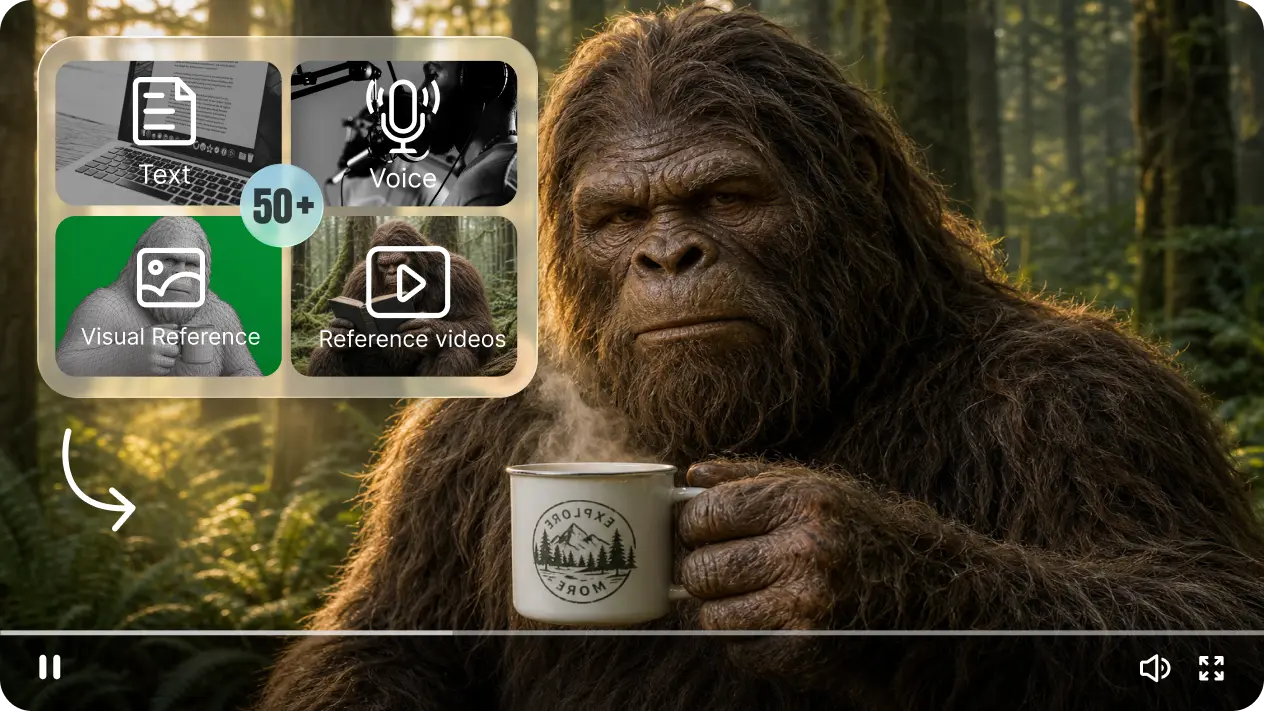
- Seedance 2.5: Dominates reference capacity with 50 multimodal slots (30 high-res images, 10 motion video references, 10 audio stems). By embedding reference identity directly into the spatial-temporal latent space with
@imagetags, character appearance, tattoos, garments, and vehicle details remain 100% locked across the full 30 seconds.
Dimension 2: Native Audio-Visual Synchronization
- Kling 4.0: Does not offer unified native acoustic generation. Filmmakers must export the silent video, open a third-party audio model or sound effect library (e.g., ElevenLabs, Suno), and manually align audio tracks.
- Seedance 2.5: Employs Acoustic Latent Synthesis. Visual action and sound design are computed jointly. When a door slams or an engine revs in Seedance 2.5, the impact sound is generated in millisecond lockstep with the visual contact frame.
Dimension 3: Time-to-Render and Real-World Availability
- Kling 4.0: The standard version remains in closed deployment through October 2026. High-demand queues and daily credit caps often slow down commercial production schedules.
- Seedance 2.5: Available globally right now with instant web UI generation, transparent pricing, commercial licensing, and zero queue bottlenecks on dedicated GPU clusters.
Directing Playbook: Which Platform Should You Choose?
Choose Kling 4.0 If:
- You have 10 exact storyboard sketches and need the AI to connect specific camera postures.
- Your pipeline is built on Kuaishou's mobile app ecosystem or existing Kling web subscription credits.
- You prioritize iterative 720p storyboard mockups using the upcoming Kling 4.0 Flash model.
Choose Seedance 2.5 If:
- You need production-grade cinematic 30-second takes with continuous, fluid physics and zero keyframe seams.
- You require strict character consistency using up to 50 image, video, and audio reference assets.
- You need synchronized sound effects, Foley, and ambient audio synthesized directly inside the video.
- You need immediate commercial production capability today with commercial IP protection and watermark-free exports.
Frequently Asked Questions (FAQ)
Is Kling 4.0 better than Seedance 2.5?
Both platforms represent the cutting edge of AI filmmaking in 2026. Kling 4.0 excels when you have up to 10 specific storyboard keyframes to anchor camera positions. Seedance 2.5 leads in continuous 30-second single-shot coherence, massive multimodal reference capacity (50 inputs), and native synchronized sound generation.
Can I try Kling 4.0 right now?
Kling 4.0 Flash is currently accessible to a small cohort of invited beta users as of late September 2026. The full Kling 4.0 standard release is targeted for October 2026. In contrast, Seedance 2.5 is fully live and open for instant browser generation.
How does the 30-second duration compare between both platforms?
Both models achieve 30-second clip length. However, Kling 4.0 relies heavily on keyframe waypoints along the duration, whereas Seedance 2.5 executes a native 30-second single diffusion pass with timestamp-level prompt directing (00:00-00:10, 00:10-00:20, 00:20-00:30).
Do I get commercial rights for generated videos?
Yes, on Seedance 2.5, all generations made on paid and starter subscription plans include 100% commercial usage rights, no watermarks, and high-definition downloads. Kling 4.0 commercial rights vary depending on your specific plan once the model exits beta.